Keeping an Open Mind When Liability Is on the Line
The first 48 hours of a claim can shape everything that follows. From the customer’s first conversation to the evidence gathered and decisions made, getting those early interactions right is critical.
For customers, First Notification of Loss often comes at a stressful and unfamiliar time. They are being asked to recall what happened, sometimes shortly after an incident, while dealing with its practical and emotional impact. Their first account is important, but it should be the starting point of an investigation rather than the conclusion.
For claims professionals, the challenge is balancing speed with an open mind. Asking the right questions, listening carefully and capturing accurate information at FNOL creates a stronger foundation for the claim. But while early intervention is important, certainty can be dangerous.
Initial accounts may be incomplete, details overlooked and assumptions unintentionally embedded into the claims journey. What appears to be a straightforward rear-end collision, for example, may look very different once CCTV, telematics, dashcam footage or independent witness evidence becomes available.
At Carpenters Group, we have seen how robust early investigation can prevent assumptions becoming costly mistakes. In motor claims where liability initially appears clear, additional evidence can provide important context.
Witness statements, vehicle inspections, scene imagery and digital evidence can all lead to an initial liability position being challenged or refined.
The key is treating early views as working hypotheses rather than fixed conclusions. It means progressing a claim efficiently while remaining prepared to reconsider the position as new evidence emerges.
Technology and data continue to change claims handling, but human judgement remains essential when interpreting evidence and understanding individual circumstances. Good claims handling is not simply about gathering more information; it is about knowing what to question, what carries weight and when the evidence points somewhere different.
The first 48 hours will always matter. But the first account should start the investigation, not finish it. Remaining focused on the evidence, while being willing to challenge initial assumptions, gives claims professionals the strongest foundation for reaching fair and well-informed decisions.
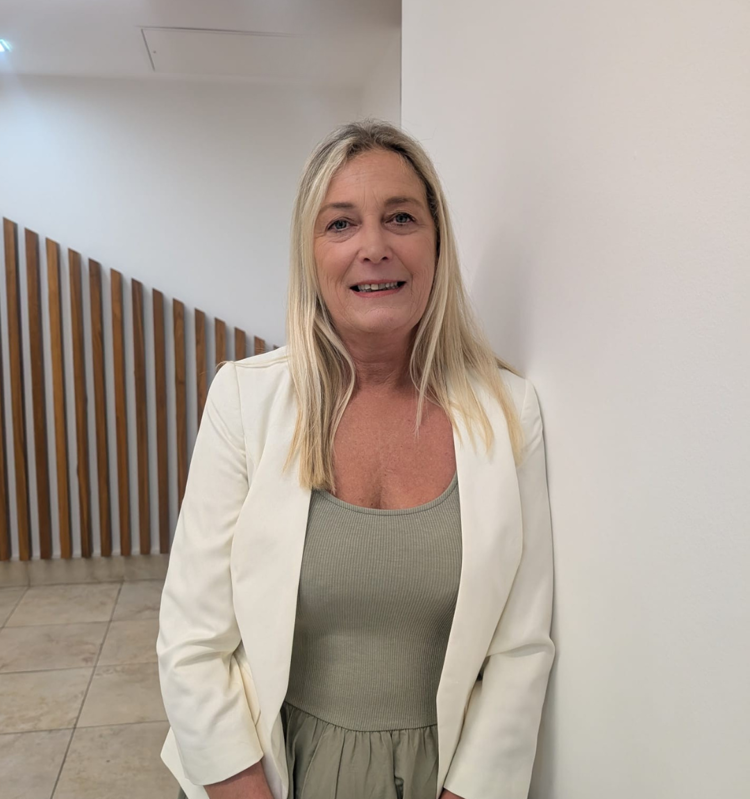
Lindsey Rawes, Operations Manager

Insurance Services
Driven by the latest technological and digital solutions, we provide an innovative and flexible suite of services to our insurer and broker clients.
Read more